Japanese Body Care: @cosme's Top Rated Lotions, Scrubs, and Oils
By Dr. Aiko Tanaka · Tokyo Cosmetic Chemist & Senior Editor, J-Beauty Decoded
Updated May 2026- Japan's body care market reached ¥232.4 billion ($1.55 billion) in 2024, with body lotions and oils growing 8.3% year-over-year as Japanese consumers apply face-level ingredient sophistication to body skincare (富士経済, 2024)
Quick Answer
- Japan's body care market reached ¥232.4 billion ($1.55 billion) in 2024, with body lotions and oils growing 8.3% year-over-year as Japanese consumers apply face-level ingredient sophistication to body skincare (富士経済, 2024)
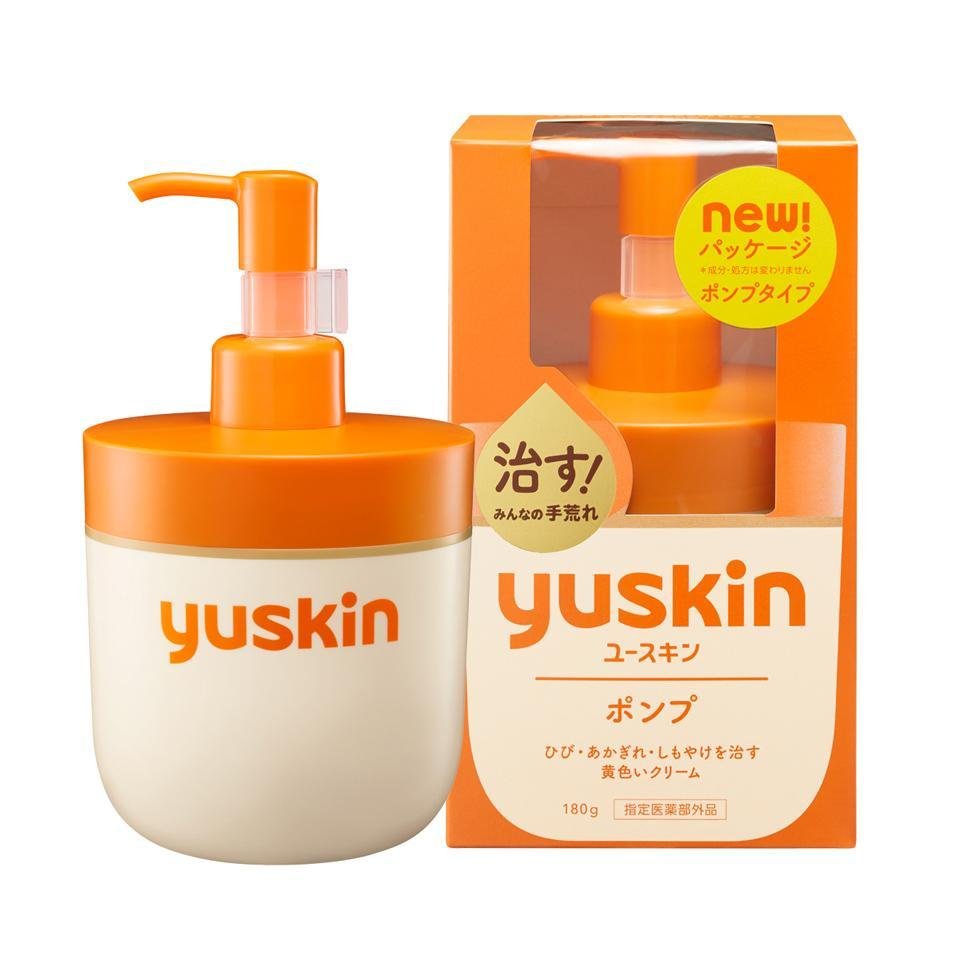
- Yuskin A cream dominates @cosme's body care rankings with 6,200+ reviews, proving that a ¥1,188 ($7.90) medicated cream originally designed for hand care can outperform luxury body products through sheer efficacy
- Japanese body scrubs increasingly feature AHA and enzyme-based exfoliation rather than the physical scrub particles common in Western markets — Oh Baby by House of Rose has held its @cosme top-3 position for over a decade with 13,000+ reviews
- The "ボディケア" (body care) category on @cosme contains 47 subcategories, reflecting Japan's granular approach to body skincare — separate rankings exist for body creams, body milks, body oils, body scrubs, heel care, and even elbow care products
Why Japanese Body Care Deserves Your Attention
Source: Japanese Taste
Western skincare obsesses over the face. Twelve-step routines, retinol sandwiches, double cleansing — all from the neck up. Below the jawline? A generic drugstore lotion, maybe.
Japan doesn't draw that line. The same ingredient science that goes into a ¥5,000 face serum shows up in body products at the drugstore. Ceramides, amino acids, fermented extracts, and even government-approved medicated formulations exist for body care in Japan at price points that would shock anyone used to Western body care markup.
@cosme's body care category — ボディケア — has millions of reviews across dozens of subcategories. This isn't an afterthought. Japanese consumers rate, compare, and debate body products with the same intensity they bring to face serums.
For an overview of how Japanese skincare philosophy extends to every step, see our complete guide to Japanese skincare layering order.
@cosme's Top Body Lotions and Creams
1. Yuskin A Cream (ユースキンA)
Brand: Yuskin Pharmaceutical (ユースキン製薬) Price: ¥1,188 for 120g ($7.90) @cosme reviews: 6,200+ Key ingredients: Vitamin E, glycerin, dl-camphor, glycyrrhetinic acid
Yuskin A is a phenomenon. This orange medicated cream has been manufactured since 1957 and has outlasted every trend in Japanese body care. The formula is classified as 指定医薬部外品 (quasi-drug), meaning it contains active ingredients at concentrations that required regulatory approval.
The texture is unusual — thick, bright orange, with a medicinal camphor scent that fades quickly. Japanese users apply it to hands, elbows, heels, and any rough or cracked skin. Winter reviews on @cosme spike massively, with users calling it their "冬の必需品" (winter essential).
What reviewers say: A 30-something user with dry skin: "I've tried expensive body creams from European brands. I always come back to Yuskin. Nothing else heals cracked heels in three days." At ¥1,188 for 120g, the cost-per-use is essentially nothing.
2. Sabon Body Scrub (サボン ボディスクラブ)
Brand: Sabon Japan Price: ¥5,280 for 600g ($35.20) @cosme reviews: 5,800+ Rating: 5.2/7.0
Sabon is Israeli, not Japanese. But its body scrub has been a fixture on @cosme's body care rankings for years, which tells you something about how Japanese consumers evaluate body products — origin matters less than performance and sensory experience.
The scrub uses Dead Sea salt crystals suspended in a blend of almond, jojoba, and borage seed oils. Japanese reviewers consistently highlight the "使用後のしっとり感" (moisturized feeling after use) — the oils leave a film that makes post-shower lotion unnecessary for many users.
3. Naturie Hatomugi Body Gel (ナチュリエ ハトムギ保湿ジェル)
Brand: Imju (イミュ) Price: ¥990 for 180g ($6.60) @cosme reviews: 4,100+ Key ingredient: Hatomugi (Job's tears) extract
If you've read our Naturie Hatomugi Skin Conditioner review, you know Naturie's face product is a cult favorite. The body gel applies the same hatomugi-first philosophy to body care. Light, fast-absorbing, and completely non-sticky — critical features for Japan's humid summers.
Japanese consumers use it after the bath (お風呂上がり) for all-over hydration. At ¥990, many users go through multiple jars per summer. The gel texture is distinctly Japanese — Western body care rarely offers a true gel that absorbs this completely without leaving residue.
4. Neutrogena Norwegian Formula Intense Repair Body Emulsion (ニュートロジーナ インテンスリペア ボディエマルジョン)
Brand: Neutrogena Japan (Johnson & Johnson) Price: ¥1,078 for 250ml ($7.20) @cosme reviews: 3,400+ Key ingredient: Pure glycerin (99% glycerin formulation)
Another non-Japanese brand that earns its @cosme ranking. The Japanese formulation of this body emulsion uses 99% pure glycerin — a concentration you won't find in the US version. Japanese reviewers specifically note that the Japan-market version performs differently from imported versions, a pattern common across multinational brands that reformulate for the Japanese market.
@cosme's Top Body Scrubs and Exfoliants
1. Oh Baby Body Smoother (Oh Baby ボディ スムーザー)
Brand: House of Rose (ハウスオブローゼ) Price: ¥2,200 for 570g ($14.70) @cosme reviews: 13,000+ Rating: 5.4/7.0
Oh Baby has over 13,000 @cosme reviews. That number alone makes it one of the most-reviewed body care products in Japan's history. The scrub uses hot spring mineral-infused particles (温泉由来成分) with a smooth, fine-grained texture that dissolves as you massage.
The formula is regularly updated with limited-edition seasonal scents — a marketing strategy that drives repeat purchases and fresh review cycles. The core unscented version remains the bestseller.
What reviewers say: A 20-something user: "I use this weekly before self-tanning. My skin has never been smoother. I'm on my eighth jar." The longevity of reviews — spanning over a decade of consistent praise — is what truly sets Oh Baby apart.
2. Rosette Gommage Peeling Gel (ロゼット ゴマージュ)
Brand: Rosette (ロゼット) Price: ¥693 for 120g ($4.60) @cosme reviews: 4,800+
Rosette's peeling gel uses a different exfoliation approach — rather than physical scrub particles, it's a gel that you massage onto dry skin. As you rub, the gel creates small rolls (ポロポロ) that pick up dead skin cells. This mechanical-chemical hybrid approach is uniquely popular in Japan.
The product comes in multiple variants: standard (for body), moisture (for sensitive areas), and a facial version. At ¥693, it's impulse-buy territory, and @cosme reviewers frequently call it their "コスパ最強" (best cost-performance) body exfoliant.
@cosme's Top Body Oils
Photo by AdoreBeautyNZ on Pixabay
1. Johnson's Baby Oil (ジョンソン ベビーオイル)
Brand: Johnson & Johnson Japan Price: ¥820 for 300ml ($5.50) @cosme reviews: 7,100+
The most-reviewed body oil on @cosme isn't a luxury product — it's baby oil. Japanese beauty culture has repurposed Johnson's Baby Oil for everything from post-bath body moisturizing to makeup removal to hair serum. The "多用途" (multi-purpose) reviews number in the thousands.
A significant review trend: Japanese users apply it to wet skin immediately after bathing, before toweling off. This wet-application technique creates an emulsion effect that locks in moisture without the heavy, greasy feeling of applying oil to dry skin.
2. Weleda Birch Body Oil (ヴェレダ ホワイトバーチ ボディオイル)
Brand: Weleda Japan Price: ¥4,180 for 100ml ($27.90) @cosme reviews: 2,900+ Key ingredients: Birch extract, rosemary, ruscus
Weleda's birch oil is marketed in Japan primarily as a "引き締めオイル" (firming oil) for cellulite-prone areas. The product's @cosme reviews skew heavily toward users who massage it into thighs and upper arms. Japanese consumers report using it with gua sha tools or massage rollers — a crossover of facial skincare tools into body care.
Medicated Body Care: Japan's Unique Category
Japan's 医薬部外品 (quasi-drug) classification creates a body care category that doesn't exist in most countries. These products contain active ingredients at regulated concentrations and can make specific efficacy claims.
Curél Body Moisture Care (キュレル ボディウォッシュ + ボディローション)
Brand: Kao (花王) Price: ¥1,100 for 220ml lotion ($7.30) Key ingredient: Ceramide-function ingredient (セラミド機能成分)
Curél's entire line is classified as 医薬部外品 for sensitive and dry skin. The body lotion uses Kao's synthetic ceramide-function ingredient — the same technology in their face products reviewed in our Curél vs Minon vs d program comparison. For consumers with atopic dermatitis or eczema, Curél's body line is frequently recommended by Japanese dermatologists.
Yuskin Hana Body Lotion (ユースキン ハナ ボディローション)
Brand: Yuskin Pharmaceutical Price: ¥935 for 200ml ($6.20)
The floral-scented sibling to Yuskin A. While the original Yuskin A is a thick medicated cream, Hana is a lighter lotion designed for daily full-body use. It retains the vitamin E and glycyrrhetinic acid actives but in a fast-absorbing emulsion format. Japanese reviewers use the duo approach — Hana for daily body moisturizing, Yuskin A for targeted rough patches.
The Japanese Body Wash Philosophy
Japanese body care starts in the bath. The お風呂 (ofuro) culture means body cleansing products are evaluated differently than in the West. A body wash isn't just cleaning — it's the first treatment step.
Bouncia Body Soap (バウンシア ボディソープ)
Brand: Cow Brand (牛乳石鹸) Price: ¥547 for 480ml ($3.65) @cosme reviews: 3,900+
Cow Brand's Bouncia creates an extraordinarily dense foam — the "濃密泡" (dense foam) is the product's entire identity. Japanese consumers evaluate body washes heavily on foam quality (泡立ち), a criterion rarely mentioned in Western body wash reviews. Bouncia's foam is thick enough to stand on its own, and reviewers describe a "クッション洗い" (cushion washing) technique where the foam does the work without directly rubbing skin.
This foam-first approach connects to a broader Japanese principle: minimize friction on skin. The same philosophy drives the popularity of foaming face washes, as discussed in our Japanese double cleanse method guide.
Dove Sensitive Skin Body Wash (ダヴ センシティブマイルド ボディウォッシュ)
Brand: Dove Japan (Unilever) Price: ¥547 for 480ml ($3.65) @cosme reviews: 2,100+
Dove's Japanese formulation specifically targets 乾燥性敏感肌 (dry-sensitive skin). Like Neutrogena, the Japan-market formulation differs from global versions — Japanese consumers are acutely aware of these differences, and @cosme reviews frequently compare JP versus imported versions.
Seasonal Body Care: How Japan Adapts by Season
Photo by JIb_Enjoy on Pixabay
Japanese body care isn't static. Products rotate seasonally, and @cosme rankings shift dramatically between summer and winter.
Summer (夏) Body Care Priorities
- Cooling body sheets (冷感ボディシート): Single-use wipes with menthol for post-commute refreshing
- UV body sprays: Sun protection reapplication for arms and legs — see our Anessa vs Biore vs Skin Aqua comparison for face sunscreens that also work on the body
- Lightweight gels: Products like Naturie Hatomugi Gel that absorb instantly in humidity
- Deodorant body washes: Formulated with persimmon extract (柿渋) for odor prevention
Winter (冬) Body Care Priorities
- Rich body creams: Yuskin A and similar thick, medicated creams for cracked skin
- Bath additives (入浴剤): Medicated bath salts that treat skin while soaking — a huge Japanese category with ¥45 billion annual market (日本浴用剤工業会, 2024)
- Body oils: Applied to damp skin post-bath for maximum absorption
- Heel care (かかとケア): Dedicated products for cracked heels — Japan has an entire @cosme subcategory for this
Price Comparison: Japan vs Western Body Care
| Product Type | Japan Average | US Average | Difference |
|---|---|---|---|
| Medicated body lotion | ¥1,000-1,500 ($6.70-$10) | $12-$18 | 40-55% cheaper |
| Premium body scrub | ¥2,000-3,000 ($13.30-$20) | $25-$45 | 45-55% cheaper |
| Body oil | ¥800-2,000 ($5.30-$13.30) | $15-$30 | 55-65% cheaper |
| Body wash (480ml) | ¥400-700 ($2.70-$4.70) | $8-$14 | 65-70% cheaper |
Source: @cosme average retail prices vs US Ulta/Sephora averages, March 2025
The price gap in body care is wider than in face care. Japanese drugstore body products routinely outperform US prestige body care at a fraction of the cost.
How to Build a Japanese Body Care Routine
Basic Routine (3 steps)
- Body wash: Foam-first approach with Bouncia or similar dense-foam product
- Exfoliant (1-2x weekly): Oh Baby or Rosette Gommage on dry or damp skin
- Body lotion/gel: Naturie Hatomugi Gel (summer) or Yuskin A (winter, targeted)
Advanced Routine (5 steps)
- Body wash: Foam cleanser in the bath
- Body scrub (weekly): Oh Baby Body Smoother for full-body exfoliation
- Body oil (on damp skin): Applied immediately post-bath before toweling
- Body lotion: Layered over oil once skin is towel-dried
- Targeted treatment: Yuskin A on rough patches, Curél on sensitive areas
The layering principle that defines Japanese face care — covered in our skincare layering order guide — applies equally to body care. Thinnest to thickest, water-based before oil-based.
Frequently Asked Questions
Are Japanese body care products available outside Japan? Many are. Yuskin A, Naturie Hatomugi Gel, and Curél body products are available on Amazon Japan (ships internationally), Dokodemo, and Yesstyle. Sabon and Weleda have global distribution. However, Japan-exclusive formulations (like Neutrogena's 99% glycerin body emulsion) may require Japanese import sites. Prices outside Japan average 30-50% higher than domestic retail.
What's the difference between a body milk and a body lotion in Japan? Japan distinguishes between ボディミルク (body milk), ボディローション (body lotion), and ボディクリーム (body cream). Body milk is the lightest — a thin, fast-absorbing emulsion for summer or oily skin. Body lotion is medium-weight. Body cream is the thickest. @cosme has separate rankings for each category, reflecting how seriously Japanese consumers take texture differences.
Do Japanese body care products contain fragrance? It varies. Many Japanese drugstore body products are 無香料 (fragrance-free) or 低刺激 (low-irritation), particularly products from Curél, Minon, and Muji. Premium body products from Sabon, Jo Malone Japan, and Shiro often feature sophisticated fragrance profiles. @cosme reviews almost always comment on scent — check for 無香料 in the product description if fragrance sensitivity is a concern.
Is Japanese body care suitable for eczema-prone skin? Several product lines are specifically designed for it. Curél's body line holds 医薬部外品 (quasi-drug) classification for dry and sensitive skin. Minon Body Wash is frequently recommended by Japanese dermatologists for atopic dermatitis. See our sensitive skin product comparison for detailed ingredient analysis of these brands.
How do Japanese consumers apply body oil? The dominant technique on @cosme is wet application — 濡れた肌に (on wet skin). Immediately after turning off the shower or stepping out of the bath, before toweling off, users apply oil to damp skin. The water and oil emulsify naturally, creating a lighter, more absorbent layer than applying oil to dry skin. This technique is so standard in Japan that many body oil product instructions explicitly mention it.
Related Reading
- Naturie Hatomugi Skin Conditioner Review — the face product from the same line as the body gel
- Curél vs Minon vs d program Sensitive Skin Comparison — brand deep-dives that extend to body care
- Japanese Skincare Layering Order Complete Guide — the layering principle that applies to body care too
— The J-Beauty Decoded Team