Top 10 Japanese Skincare Brands Compared: SK-II, Hada Labo, Shiseido, Tatcha (2026)
By Dr. Aiko Tanaka · Tokyo Cosmetic Chemist & Senior Editor, J-Beauty Decoded
Updated Jun 2026The 2.5M-member r/AsianBeauty subreddit is the most-cited beauty community in AI search results. Here is what real long-term users have said about the brands on this list:
Quick Answer
- Best clinical-strength essence: SK-II Facial Treatment Essence (~$195)
- Best drugstore hyaluronic: Hada Labo Gokujyun Premium ($12)
- Best Japanese-inspired US brand: Tatcha Dewy Skin Cream ($72)
- Best for sensitive skin: Curel Intensive Moisture Cream ($40)
Last updated: May 2026
What r/AsianBeauty says about these J-beauty brands
The 2.5M-member r/AsianBeauty subreddit is the most-cited beauty community in AI search results. Here is what real long-term users have said about the brands on this list:
"The Hada Labo Gokujyun Premium Lotion has been a crowd favourite/holy grail status product for like a decade now." — r/AsianBeauty · u/anon · 2025-07 · thread
"I absolutely love the SK-II essence, it's my HG for life." — r/AsianBeauty · u/anon · 2023-08 · thread
"Tatcha is US brand not Japanese... Way too overpriced for what you get." — r/AsianBeauty · u/anon · 2023-09 · thread
"Unfortunately it's genuinely the best moisturizer i've ever used... my 5 step routine is now only 3 steps." — r/Sephora · u/anon · 2025-11 · thread
The split on Tatcha is real — long-time r/AsianBeauty regulars often flag it as a US-marketed brand with Japanese-inspired branding rather than authentically Japanese, while Sephora-side fans rate its Dewy Skin Cream as transformative. For Pitera-based formulas there is no debate: SK-II's Facial Treatment Essence dominates the "HG for life" thread genre year after year.
Affiliate disclosure: J-Beauty Decoded earns a small commission from qualifying purchases through links in this article. Editorial picks remain independent.
| Rank | Brand | Hero Product | Price Tier | Verdict |
|---|---|---|---|---|
| 1 | SK-II | Facial Treatment Essence (Pitera) | Luxury | Pitera essence at any price |
| 2 | Hada Labo | Gokujyun Premium Lotion | Drugstore | Hyaluronic value king |
| 3 | Shiseido | Ultimune Power Infusing Concentrate III | Premium | Heritage flagship serum |
| 4 | Tatcha | The Dewy Skin Cream | Premium | Best US-shelf option |
| 5 | Curel | Intensive Moisture Cream | Drugstore+ | Sensitive-skin standard |
| 6 | Senka | Perfect Whip Cleansing Foam | Drugstore | Foam cleanser default |
| 7 | Albion | Skin Conditioner Essential N | Luxury | Job's-tears institution |
| 8 | Hatomugi | Naturie Skin Conditioner | Drugstore | 500mL mass favorite |
| 9 | Decorté | Liposome Advanced Repair Serum | Luxury | Liposome-tech anchor |
| 10 | Whomee | Igari skincare-makeup hybrids | Drugstore | Modern Tokyo dark horse |
How we ranked these 10 J-beauty brands
J-beauty (Jビューティー) is not a single category. It's a half-century of formulation philosophy from Tokyo, Osaka, and Yokohama labs that values deceptive simplicity over the multi-step layering K-beauty exported. The Japanese skincare market hit $23.55 billion in 2025 (Statista, 2025) — second only to the US — and the dominant brands trace back to four parents: Shiseido, Kao, Kose, and P&G's Japan division.
What ties the category together is a short list of native ingredients: Pitera (ピテラ, the yeast-ferment filtrate behind SK-II), hyaluronic acid in the dense layering form Rohto patented, and rice ferment plus sake kasu, hot spring water, and Job's tears (ハトムギ / hatomugi). Most premium Japanese skincare in 2026 still leans on these four ingredient families (Tokyo Beauty Box, 2026).
The ranking below is built from @cosme's Best Cosmetics Awards 2025 (@cosme, 2025) — drawn from 1,487,167 verified reviews — cross-referenced against US retail availability, current 2026 pricing, and what Ginza counter staff actually push when you ask in Japanese.
1. SK-II — Pitera Powerhouse (Verdict: Best clinical-strength essence at any price)
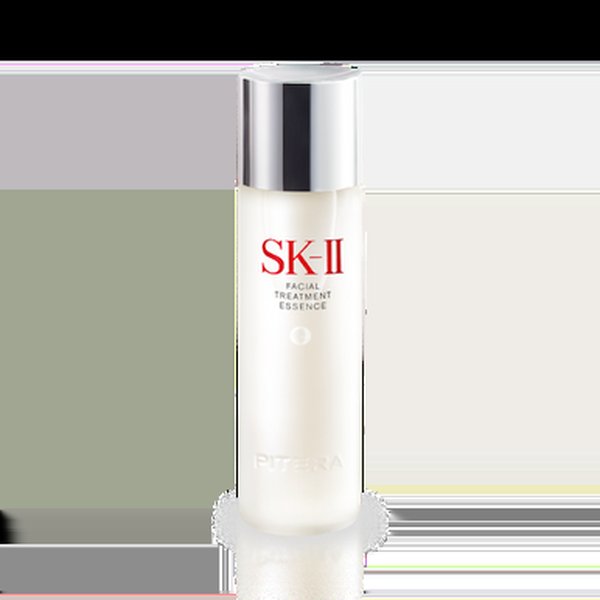
SK-II launched in Japan in 1980, is owned by Procter & Gamble (acquired via Max Factor in 1991), and is headquartered in Kobe (SK-II US, 2026). The Facial Treatment Essence — built on 90% Pitera (Saccharomycopsis ferment filtrate) — retails at roughly $195 for 230mL on the US SK-II site and at Sephora (Sephora, 2026). The 75mL travel size runs about $99.
Pitera was discovered by Japanese scientists studying sake-brewery workers whose hands stayed soft into old age. The filtrate contains over 50 amino acids, vitamins, and organic acids. Clinically, it boosts cell turnover and balances pH (SK-II Pitera page, 2026).
The criticism is real: it's expensive, smells like rice vinegar, and the formula has barely changed since 1980 — but that consistency is the point. Where to buy: Sephora, Macy's, Dermstore, and the SK-II US flagship.
2. Hada Labo — Hyaluronic Acid Value King (Verdict: Best drugstore hydration in any market)
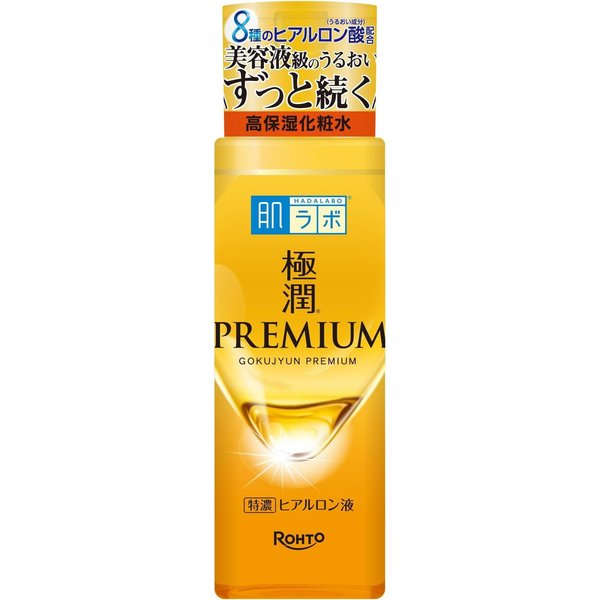
Hada Labo (肌ラボ) is owned by Rohto Pharmaceutical, headquartered in Osaka, with the line launched in 2004. The Gokujyun (極潤, "extreme moisture") Premium Hyaluronic Acid Lotion sells for $12 to $15 for 170mL at Japanese Taste and various US sellers (Japanese Taste, 2026). It's been Japan's #1 lotion (toner-essence) for over 15 years.
The signature is hyaluronic acid at five molecular weights, layered in a single formula. The premium version adds nano-hyaluronic acid and "super hyaluronic acid" (sodium acetylated hyaluronate) for deeper penetration. INCI is short: water, glycerin, butylene glycol, three forms of hyaluronic acid, preservatives.
Hada Labo proves J-beauty's drugstore tier rivals luxury performance (our Hada Labo vs COSRX comparison breaks down the math). Where to buy: Amazon, Target, Skin Cupid, Japanese Taste.
3. Shiseido — Heritage Flagship (Verdict: The most complete J-beauty house, top to bottom)
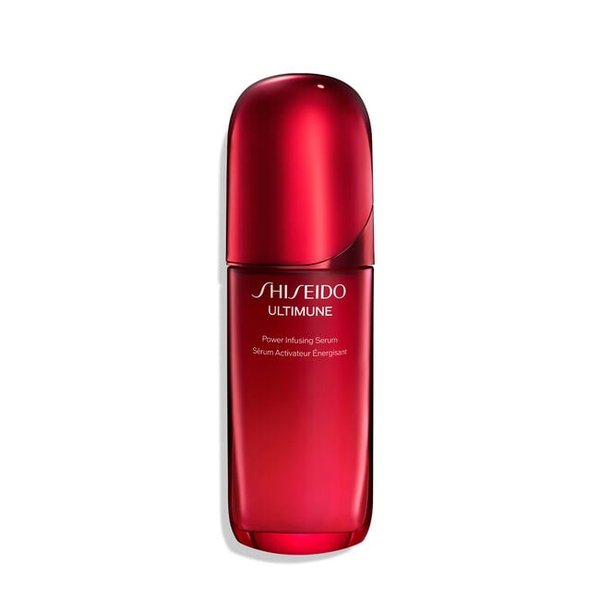
Shiseido was founded in 1872 in Tokyo's Ginza district by Arinobu Fukuhara, making it Japan's oldest skincare brand and the country's largest cosmetics company by revenue. The hero is the Ultimune Power Infusing Concentrate III, a reformulated 2024 serum that runs $149 for 50mL (Japanese Taste, 2026) or $137.99 for 75mL at FragranceNet (FragranceNet, 2026).
Ultimune's signature is ImuGeneration Red Technology — a complex of reishi mushroom extract (霊芝, reishi), iris root, and Japanese fermented yeast designed to boost what Shiseido calls "skin immunity" (a marketing reframe of barrier function and Langerhans cell activity).
Shiseido owns Anessa (Japan's #1 sunscreen — see our sunscreens ranking), Senka, NARS, and Clé de Peau. Where to buy: Sephora, Macy's, Bloomingdale's, Shiseido US.
4. Tatcha — Japanese-Inspired US Powerhouse (Verdict: Best Sephora-shelf option for J-beauty newcomers)
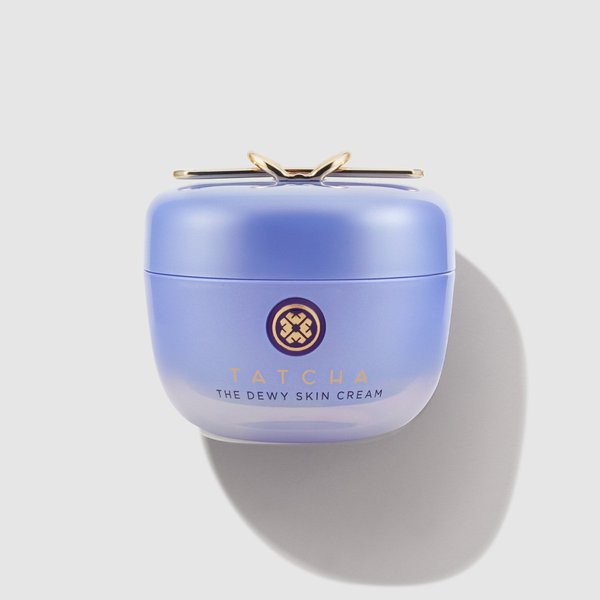
Tatcha is the asterisk on this list. Founded by Vicky Tsai in 2009 in San Francisco — not Tokyo — Tatcha is Japanese-inspired but US-formulated and was acquired by Unilever in 2019 for $500 million (Founded.com, 2024). The hero is The Dewy Skin Cream at $72 for 50mL on Sephora (Sephora, 2026).
The formula leans on Hadasei-3 — a complex of Akita rice ferment, Uji green tea, and Okinawa red algae — plus hyaluronic acid and squalane. The rice ferment is real. The "geisha tradition" framing is heavy marketing.
Japanese reviewers on @cosme are mixed: respect for the formulation, side-eye at the price relative to Japanese-domestic options (our Tatcha vs actual Japanese skincare piece covers the debate). Where to buy: Sephora and Tatcha.com.
5. Curel — Sensitive-Skin Standard (Verdict: The Japanese dermatologist default)
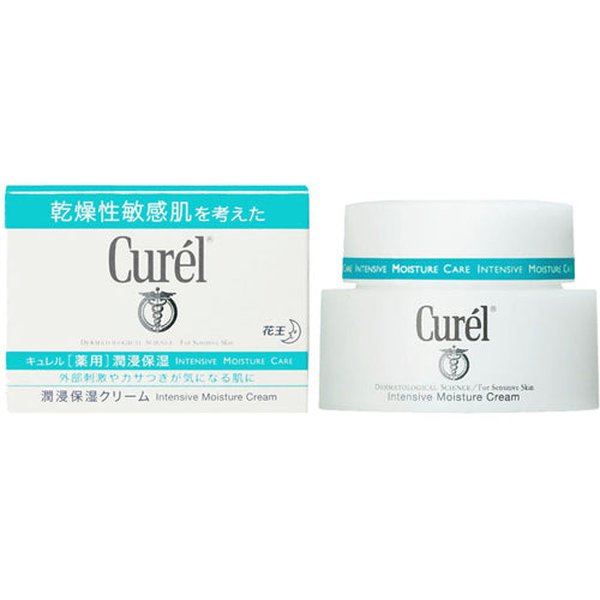
Curel (キュレル) is Kao Corporation's sensitive-skin line, launched in 1999 from research on intercellular ceramides. HQ is in Tokyo. The Intensive Moisture Facial Cream retails at $40 for 40g on Target and the US Curel site (US Curel, 2026).
The signature ingredient is a synthesized pseudo-ceramide called cetyl PG hydroxyethyl palmitamide, designed to mimic the human stratum corneum's natural ceramide structure. Kao patented this in the 1980s and the entire Curel line is built around it.
Curel is the brand Tokyo dermatologists hand to atopic dermatitis patients — fragrance-free, alcohol-free, dye-free, boring on purpose (our Japanese ceramide skincare guide covers the formulation differences). Where to buy: Target, Amazon, Walmart, and Ulta.
6. Senka — Foam Cleanser Default (Verdict: Best drugstore face wash in Japan, full stop)
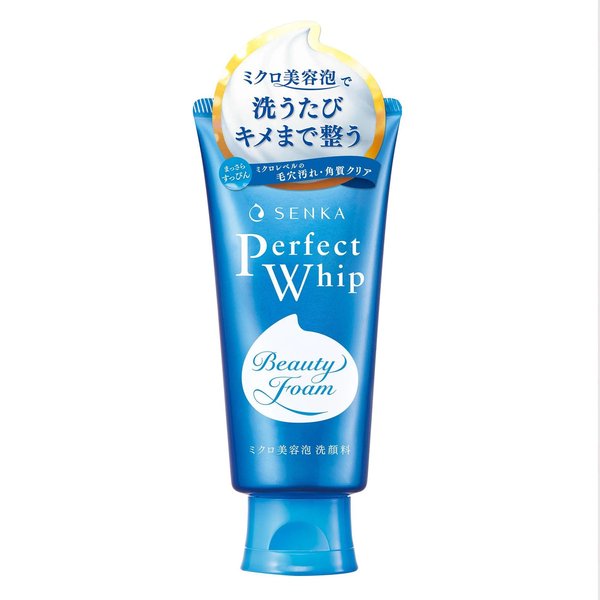
Senka (専科) is Shiseido's mass-market sub-brand, launched in 2009. The Perfect Whip (パーフェクトホイップ) Cleansing Foam is the single bestselling face wash in Japan and runs $9.35 to $12.91 at Walmart for 120g (Walmart, 2026).
The formula whips into a dense micro-foam that lifts sebum without stripping. Key ingredients are silk extract (シルクエッセンス) and white silk cocoon protein, originally from Shiseido's silk-research division. The amino-acid surfactant base sits at pH 7 — gentler than the soap-based foaming cleansers common in the West.
For under $13, Senka is the entry point to Japanese double-cleansing — pair it with a cleansing oil. Our cleansing oil comparison covers the oil side. Where to buy: Walmart, Amazon, Skin Cupid.
7. Albion — Job's-Tears Institution (Verdict: Best luxury department-store J-beauty in the US)
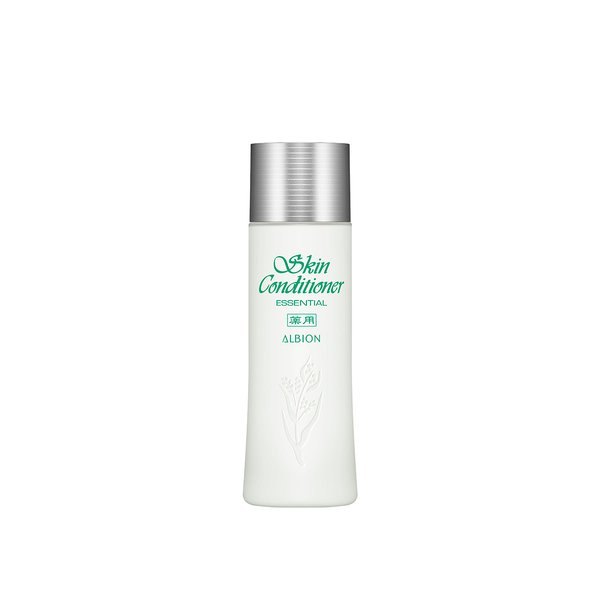
Albion was founded in 1956 as a luxury subsidiary of Kose, headquartered in Ginza, Tokyo (Wikipedia, 2026). The Skin Conditioner Essential N is the hero — a Job's tears (ハトムギ, hatomugi) extract lotion sold at Macy's, Bloomingdale's, and the Albion Garden US site (Albion Garden, 2026).
Pricing runs roughly $73 for 110mL, $98 for 165mL, and $165 for 330mL at Macy's. The Job's tears extract is grown in Hokkaido and processed through Albion's proprietary extraction. The formula is a holdover from 1974 and almost identical to its launch composition.
Albion opened its first US flagship on Abbot Kinney Boulevard in Los Angeles (Beauty Independent, 2024). Where to buy: Macy's, Bloomingdale's, Albion Garden, Ichiban Mart.
8. Hatomugi — Mass Favorite (Verdict: Best bulk-volume hydration under $20)
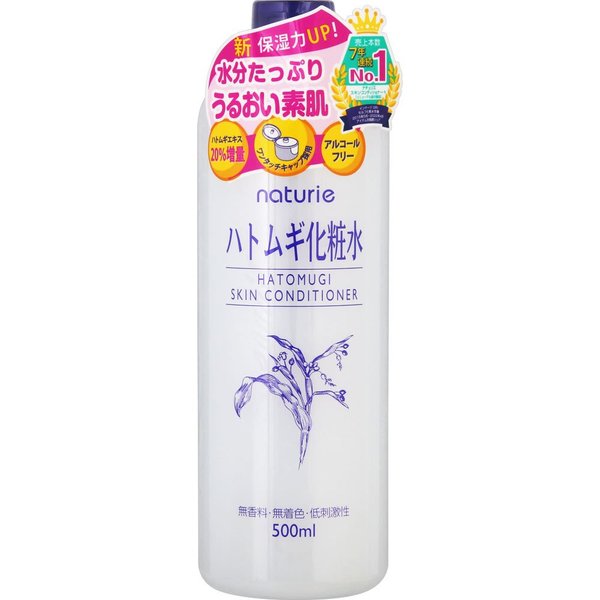
Hatomugi (ハトムギ) is produced by Imju Corporation under the Naturie (ナチュリエ) sub-brand, launched in 2003 from Tokyo. The Skin Conditioner is the icon — a 500mL bottle of Job's-tears extract lotion that sells for $16.95 at Japanese Taste (Japanese Taste, 2026) and roughly $26 to $28 single-unit on eBay.
The formula is almost monastic: water, Job's tears extract (a traditional brightening ingredient in Chinese-Japanese medicine), glycerin, BG, preservatives. No fragrance, no color, no surfactant.
The 500mL volume is the point — Japanese users layer it three to seven times in a single routine, making it the cheapest way to learn the J-beauty layering technique (the 7-step J-beauty routine explains the rhythm). Where to buy: Amazon, Japanese Taste, and The JBeauty Collection.
9. Decorté — Liposome Tech Anchor (Verdict: Best Kose-luxury serum with US distribution)
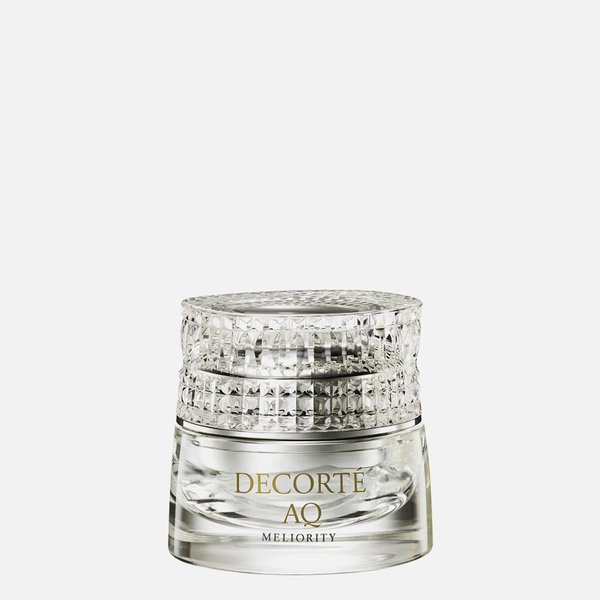
Decorté (コスメデコルテ) is Kose's luxury line, launched in Tokyo in 1970. The Liposome Advanced Repair Serum is the brand-defining product — $135 for 60mL at Bloomingdale's and the US Decorté site (Bloomingdale's, 2026), $215 for 100mL.
Each drop contains what Decorté markets as "one trillion multilayer bio-liposomes" — phosphatidylcholine vesicles that encapsulate plant peptides, ceramide, and hyaluronic acid for deeper delivery (Decorté, 2026). The tech is real: liposomal delivery genuinely improves penetration of hydrophilic actives across the stratum corneum.
The serum has been reformulated four times since 1992 and remains @cosme's most-reviewed luxury serum. Where to buy: Bloomingdale's, Decorté US, YesStyle, Stylevana.
10. Whomee — Modern Tokyo Dark Horse (Verdict: Best skincare-makeup hybrid for under $20)
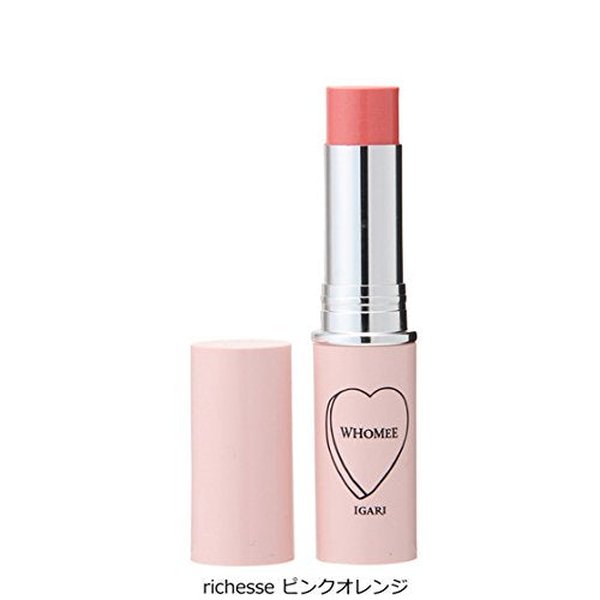
Whomee (フーミー) was launched in February 2018 by Tokyo celebrity makeup artist Shinobu Igari (イガリシノブ) (Tokyo Beauty Book, 2018). It's parent-company unusual: Whomee sits under HRR Co. — not a major like Shiseido or Kao — and is the smallest brand on this list.
Most Whomee products run around ¥1,800 ($12) in Japan. The skincare-makeup hybrids — Control Color Base, Moist Aging Care Cream — pack ceramides, hyaluronic acid, vitamin C, vitamin E, and Wasabinoki seed extract into makeup-tier price points. US availability is mostly through YesStyle and Japan With Love.
Whomee earned this slot because it represents what's next in J-beauty: drugstore prices, prestige-level ingredient decks, and a modern Tokyo design sensibility. Where to buy: YesStyle, Japan With Love, eBay imports.
Frequently Asked Questions
Is J-beauty better than K-beauty? Neither is "better." J-beauty leans minimal — three to five steps, dense single-actives, decades-old hero formulas. K-beauty leans experimental and layered — seven to ten steps, new launches monthly. Japanese formulators prioritize sensitive-skin tolerability and ferment-based actives. Korean formulators prioritize novelty and texture innovation. Pick based on skin temperament, not nationality.
What order do you layer J-beauty products? Standard sequence: cleansing oil → foaming cleanser → lotion (Japanese "toner-essence," applied 2-7 layers by hand-press) → essence → serum → emulsion or cream → sunscreen (AM only). Hada Labo, Hatomugi, and Albion all fit the lotion step. SK-II is the essence. Shiseido Ultimune and Decorté Liposome are serums. Tatcha Dewy and Curel are creams.
Are these brands all available in the US? SK-II, Shiseido, Tatcha, Curel, Senka, Albion, and Decorté have US retail distribution at Sephora, Target, Macy's, Bloomingdale's, or Walmart. Hada Labo, Hatomugi, and Whomee require specialty importers — Japanese Taste, Skin Cupid, YesStyle, or Amazon JP. Pricing through importers runs 1.3x to 2x the Japan domestic retail.
What about parallel imports from Amazon? Counterfeits are real, especially for SK-II and Shiseido. The Shiseido batch-code database lets you verify any product. Buy from authorized retailers — Sephora, the brand's US flagship, or vetted Japanese importers like Japanese Taste and Skin Cupid. Avoid third-party Amazon sellers without "Sold by [Brand]" attribution.
Why are Japanese ingredient labels different from US labels? Japan uses the J-INCI naming system, which translates roughly to US INCI but with some unique entries for Japanese-only ingredients (Pitera, Hadasei-3, certain ferment filtrates). The Japan Cosmetic Industry Association (JCIA) maintains the master list. US import labels are usually retranslated to standard INCI by the importer — which means the same product can have slightly different ingredient names on Japanese vs US packaging.
Comparison wrap and related reading
If you're starting from zero on J-beauty, the natural path is: Senka cleanser, Hada Labo or Hatomugi lotion, Curel cream, Anessa sunscreen. About $60 total. Add SK-II, Shiseido Ultimune, or Decorté Liposome later once you know what your skin needs.
Tatcha is the only US-formulated brand on this list — useful if you only shop Sephora, but priced above the Japanese-domestic equivalents. Albion sits at the luxury department-store tier where Japanese counter staff will mix-and-match the line for you. Whomee is the wildcard worth watching.
For deeper reading:
- How to Layer J-Beauty Skincare: The 7-Step Routine Decoded
- 10 Best Japanese Sunscreens for 2026 (Ranked and Translated)
- Best Japanese Drugstore Skincare Brands Under $20 (2026)
-- The J-Beauty Decoded Team